
Inspired by Our Lands…Made by Our Hands Life here can test the human spirit, but Montanans have found many ways to express their relationship with the land. Something in Montana's landscape nudges, pushes, and even shoves the creative spirit. Born deep in that landscape, folk/traditional arts spring from the needs of a community. While having a use, the work of the quilter, the saddlemaker, the ironworker, the parfleche maker, and the potter also are visible evidence of who we are. Because these artists are just around the corner or down the road, they often are over-looked, even "hidden in plain view." To celebrate Montana's heritage and showcase the folk arts, the Montana Arts Council began the Montana's Circle of American Masters in the Folk and Traditional Arts. This program recognizes Montana folk artists for artistic excellence in their work, along with their help in preserving the state's cultural heritage.
What are visual folk and traditional arts?
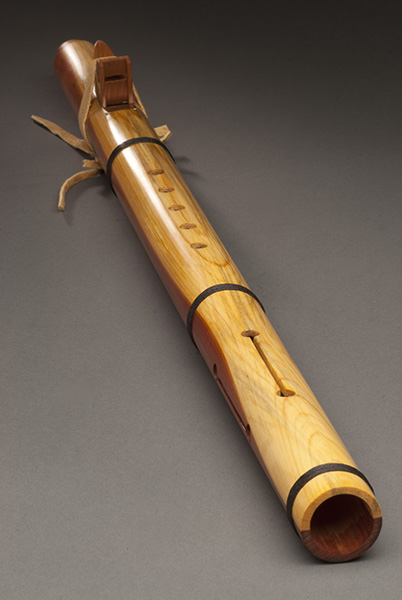
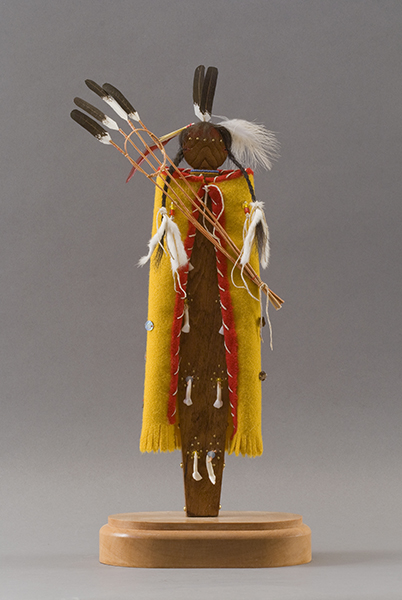
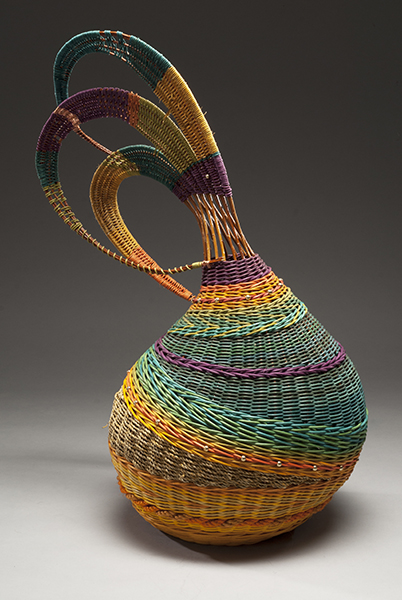
The visual folk and traditional arts include fine handcraft and decorative arts that are indigenous to a community (ethnic, geographic, linguistic, religious, occupational) or family. They reflect the aesthetics and values of the community in which they arise and are often symbols of a group's identity. Examples include (but aren't limited to) quilting, beading, saddlemaking, tole painting, ledger art, or calligraphy. Dance, songs, poetry, instrumental music, storytelling, and local architecture are forms of traditional arts not designated as visual.
Traditional arts are learned informally, through careful observation and practice, usually from elders and masters and often passed on from one generation to the next. They can be self-taught within a tradition.
Guiding Principles of the Montana Circle of American Masters Program
Montana American Masters:
- Are recognized as exemplary practitioners of visual traditional art forms, and their work reflects the highest quality of craftsmanship, design, and authenticity.
- Have listened to the heartbeat of their community, learning their art form through informal study and by carefully watching, listening, and doing.
- Create works in depth and brilliance that deepen our awareness of the rich and diverse cultural and artistic traditions of the people of Montana.
- Actively participate in their art form, as a practitioner, a mentor, or teacher, in order to promote public awareness regarding the eminence of the creative sector.
- Adhere to cultural artistic traditions to preserve their art form, in the process contributing to the public visibility of traditional arts, crafts, and artists.
- Understand that as a reflection of their culture, their art is a living form that continues to be shaped by creativity and innovation.
- Act as a model for excellence and a conduit for process and inspiration, influencing other generations of artists working within the region and beyond.
Who is eligible to be selected for this honor?
- Awards are made to individuals, not to groups.
- No posthumous awards are given.
- An individual must be a practicing artist in traditional arts.
- The individual must have a valid Montana address as a permanent resident of the state.
What are the review criteria?
The folk arts are complex with a diversity of aesthetics requiring a broad range of criteria to encompass all the art forms. Consideration must be given to the traditional methods and techniques used, the skill of the artist, and the method in which they learned their art.
This award focuses on master artists, how they learned their art form, their body of work, and their contribution to their community and art form. As the embodiment of a tradition, the body of art should be of high quality, considering aesthetic excellence, workmanship, and authenticity. The artist's contribution should speak to how a cultural way has been sustained.
1. Artistic Excellence
The aesthetic qualities of the body of work depend on its design and how that design creates visual appeal, marries with the materials, and satisfies function. The design:
- Is visually appealing.
- Has components (color, texture, shape, proportion) that are balanced and relate to each other as a whole.
- Satisfies and even enhances the function.
- Reflects the artist's understanding of materials, their limitations and possibilities.
- Displays the artist's investment of time, thought, knowledge, and skill.
- Shows strength in the originality or tradition use of design.
2. Craftsmanship
The technique with which the art is executed in the body of work is important both to enhancing the design and in fulfilling the intended function of the pieces. The work:
- Demonstrates the artist's technical skill in working in the medium.
- Proves the artist's proficiency in the tools and techniques required for the work.
- Proves the artist's working knowledge of the medium, its qualities, and its limitations.
- Is constructed soundly, with a view to fulfill its function.
- Shows that the artist has paid attention to all details in the work.
- Illustrates the artist's mastery of the execution of the art form.
3. Authenticity
The authenticity of the work speaks to both honouring the past and giving to the future. The body of work of a Master artist:
- Reflects established traditions, forms, mediums of the culture or group it represents.Has become a significant part of its artistic tradition.
- Reflects individual growth and creativity within the tradition.
4. Contribution
Traditional arts are not created in a vacuum. Therefore it is important that the selection criteria for a Master include the individual's contribution to the community through sharing the art form and raising public awareness. A Master is:
- Held in respect by his or her peers and in the community, a position proven by the level of support and the awareness of their art form in the community.
- Has made on-going contributions to the excellence, vitality, and public appreciation of their art form through teaching, advocacy, organizing, and preserving their artistic tradition.
- Has contributed to the awareness of their art form by significantly increasing the public visibility of traditional arts, crafts, and artists.